
How to Design an Eco-Friendly Home Garden: Sustainable Planting Tips
Quick Answer
To create an eco-friendly home garden, choose native plants, use organic soil, and conserve water with a drip irrigation system. Implement companion planting to enhance growth and reduce pests.
The Problem
Designing an eco-friendly home garden helps reduce environmental impact, supports local ecosystems, and can save resources. Sustainable gardening practices are essential for long-term ecological balance.
As an Amazon Associate, I earn from qualifying purchases.
Why Choose Native Plants for Your Garden?
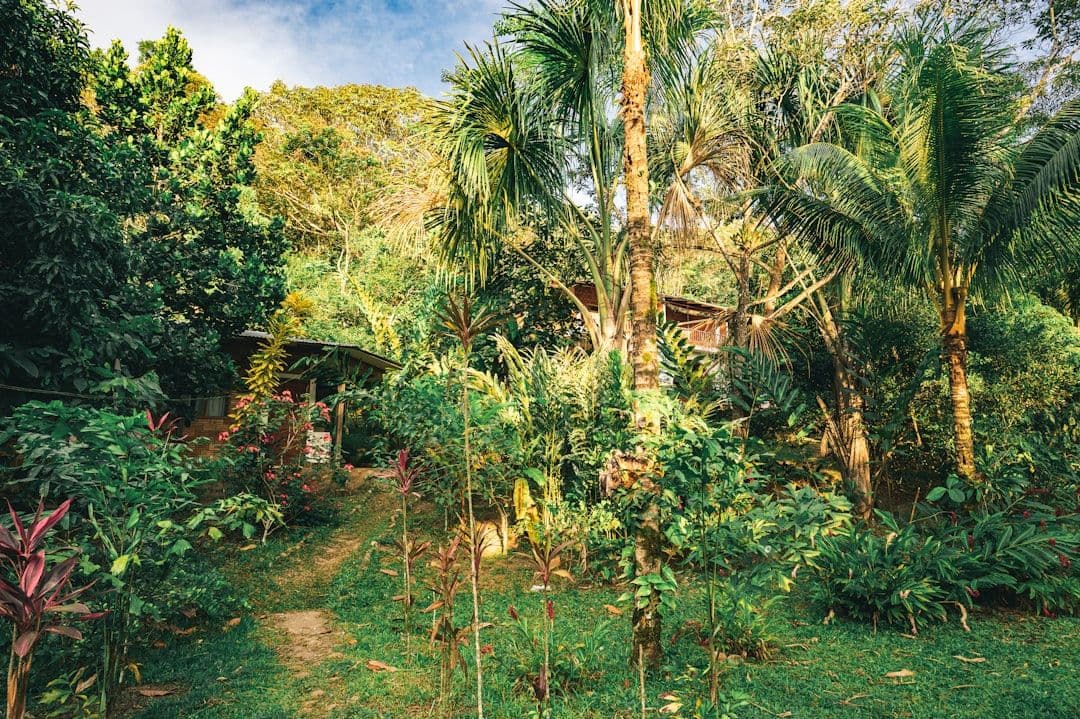
Native plants are well-suited to the local climate and soil, reducing the need for additional water and fertilizers. Native species can save up to 50% on water usage. A wide-angle view of your garden can showcase the diversity of these plants.
How Can Companion Planting Benefit Your Garden?
Companion planting involves placing plants together that benefit each other, such as basil with tomatoes to deter pests. This method can increase yield by up to 20%. For more DIY tips, check our guide on 5 Essential Cordless Power Tools for Every DIYer.
What Are Some Water-Saving Techniques for Sustainable Gardening?
Using a drip irrigation system can cut water usage by 30-50% compared to traditional methods. This system delivers water directly to plant roots, minimizing evaporation. For more home efficiency tips, read A Beginner's Guide to Installing Solar Panels on Your Roof.
Key Takeaway: Sustainable gardening increases efficiency and supports the environment.
Step-by-Step Guide
Research native plants suitable for your region.
Prepare soil with organic compost.
Install a drip irrigation system to conserve water.
Plan companion planting to naturally deter pests.
🛠️ Tools Needed
- •Garden Trowel
- •Compost Bin
📦 Recommended Products
- Rain Bird Drip Irrigation Kit ↗
Highly efficient for water conservation, easy to install, and reduces water usage significantly.
- Fiskars 3-in-1 Garden Tool Set ↗
Durable and perfect for planting, this tool is essential for any eco-friendly garden setup.
- RED FACTOR Premium Compost Bin for Kitchen Countertop ↗
Required tool: Compost Bin
Frequently Asked Questions
What is the best mulch for an eco-friendly garden?
Organic mulch, such as wood chips or straw, is best as it decomposes naturally, enriching the soil.
How can I attract pollinators to my garden?
Planting native flowering plants and avoiding pesticides can attract bees and butterflies to your garden.
What are the benefits of using organic compost?
Organic compost improves soil health, provides essential nutrients, and reduces the need for chemical fertilizers.